
 Guildford Ramblers
 Wed 3rd Nov 2010 - Windsor Great Park
 Wed 29th April 2009 - Alfold
Birding in Costa Rica — Spring 2015 (20 February - 7 March)
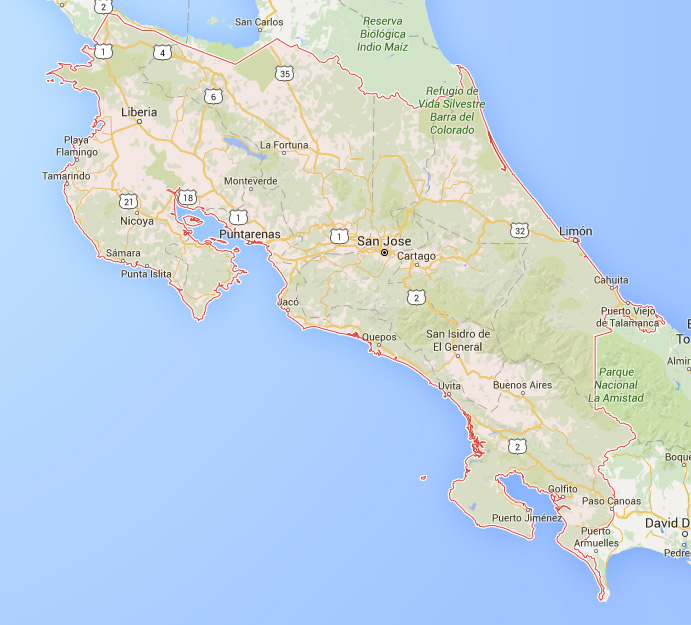 Costa Rica is considered to be one of the most bio-diverse regions in the world. Getting rid of its armed forced in 1958 leaves more money for concervation and the environment and Costa Rica has achieved 95-99% renewable electricity. It gets most of its electricity from hydroelectric plants, but also some geothermic energy from the country’s volcanoes and a small amount of wind and solar power. They were the first in the world to power their country for 75 days in a row, from the beginning of this year (2015), without the use of fossil fuels, very impressive.
Costa Rica is a great place to visit and Heatherlea a good company to go with. The leader was Ian Ford and the local leader was Yehudi Hernandes. This was a holiday of a lifetime. Most of my photos are in wildlife section and not repeated here. There is also a flickr group for the various photos, mostly birds, that people took during the trip.
We arrived in San José late afternoon and spent the first night at Hotel Bougainvillea in San José. Their gardens were amazing and the birding started there.


Tortuguero — Days 1 to 3 (21/2 - 23/2)
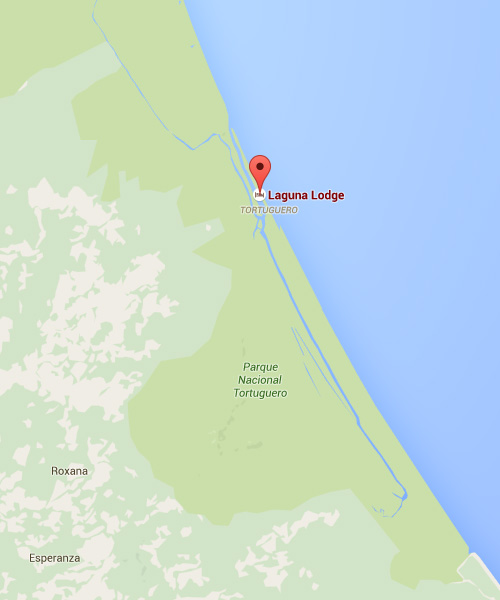
Our first destination was Tortuguero on Costa Rica's northern Caribbean Zone. Tortuguero, which means "region of turtles" in Spanish, is a very wet forrested area with a network of lakes, rivers and canals, home to over 300 species of birds, reptiles, and other mammals. We had to travel by boat everywhere. We stayed at Laguna Lodge, an eco-touristic lodge, located on a narrow strip of land, 650 feet wide, between Tortuguero´s main lagoon and the Caribbean Sea and on the edge of the park. Access to the park is restricted and we had to get up early to get our day passes.


Click to show/hide more


After breakfast and a spot of birding in the garden we set off by boat back to our coach to continue the journey to our next destination, La Selva. We stopped for Lunch at La Selva Tropical where they had a butterfly farm.
Sarapiqui and La Selva — Days 3 to 6 (23/2 - 26/2)
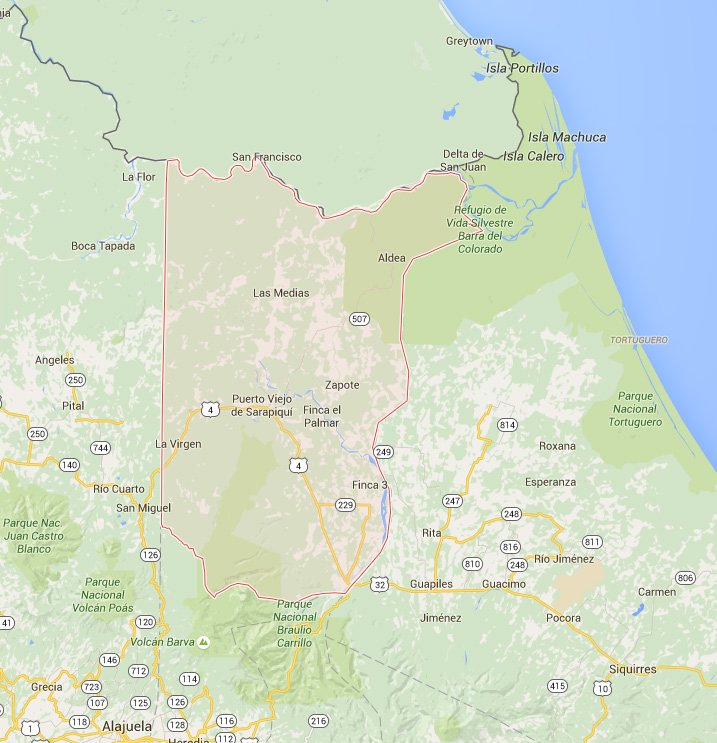
La Selva Biological Station run by the Organization for Tropical Studies (OTS), was a highlight of the tour. The station is among the four most famous tropical research facilities in the world and we visited, led by one of the researchers, both days. This rain forest region at the base of the Caribbean slope is well-known for hosting the greatest diversity of tropical flora and fauna.
We stayed at Selva Verde Lodge, a lovely eco-lodge on the banks of the river. The tropical lowlands of Sarapiqui, is a wildlife-rich riparian zone along the banks of the Sarapiqui River. We had great views over the river from the restaurant.


Click to show/hide more


We could have stayed longer but the next destination beconded. We stopped on the way at Las Iguanas, so-named because they encouraged all the local Green Iguanas to hang out here. Carol and Sandra had great fun stroking them whilst the rest of us took photos (see below).


Arenal Observatory — Days 6 to 8 (26/2 - 28/2)
We stayed at Arenal Observatory Lodge which has breath-taking views of Arenal Volcano from our rooms as well as from the restaurant. The vulcano is no longer active but still smoking a bit.


Click to show/hide more


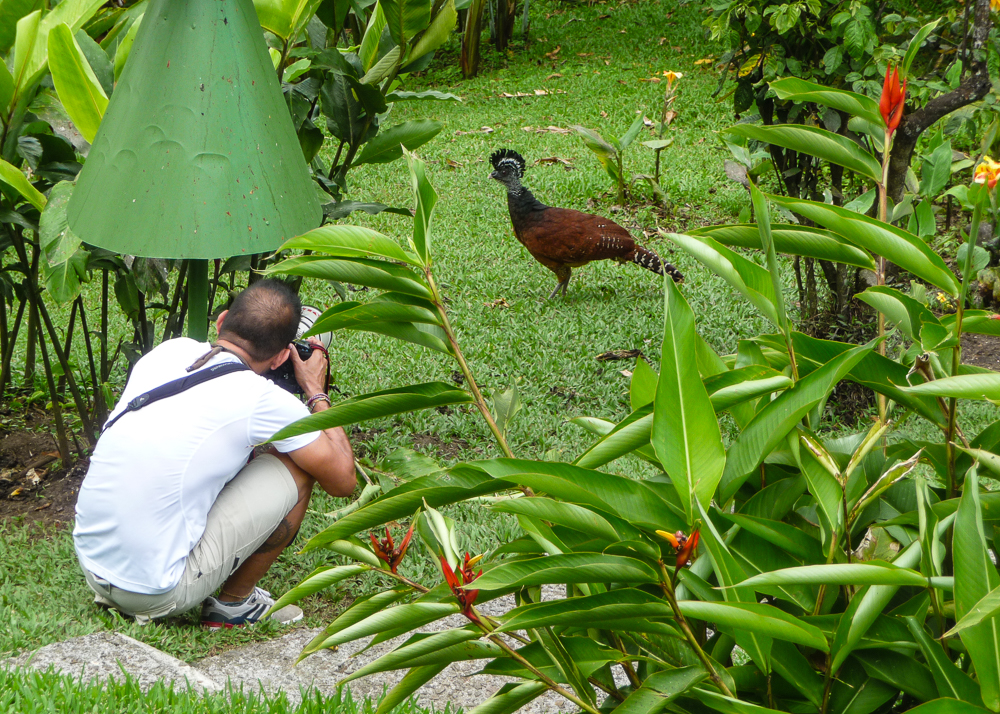


Guanacaste area on the Pasific — Days 8 to 9 (28/2 - 1/3)
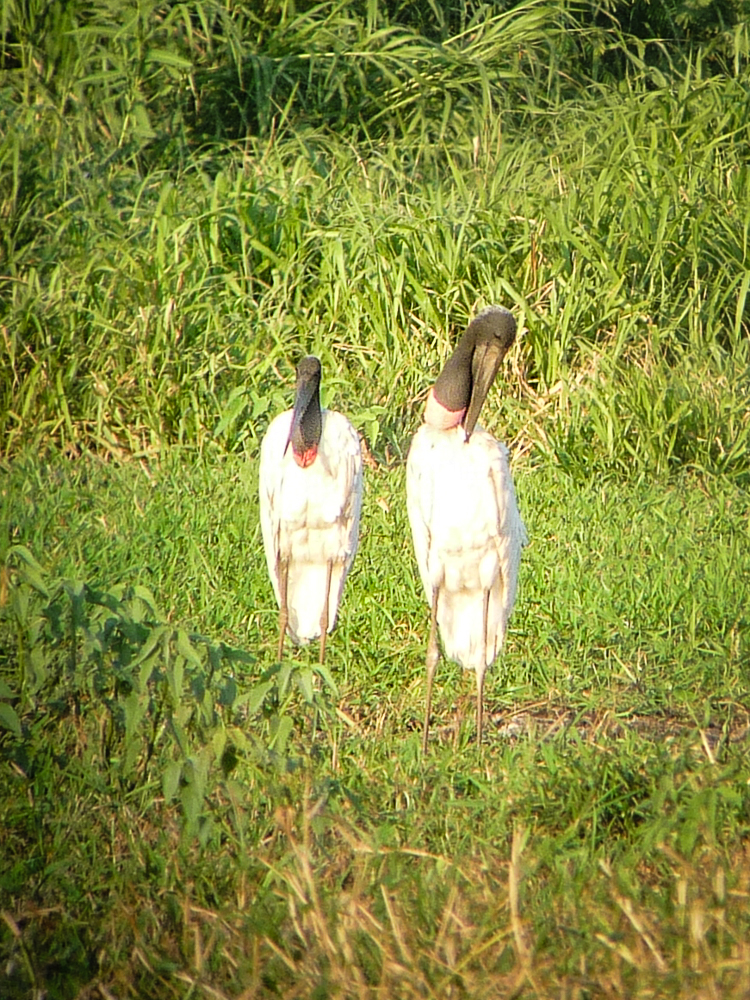
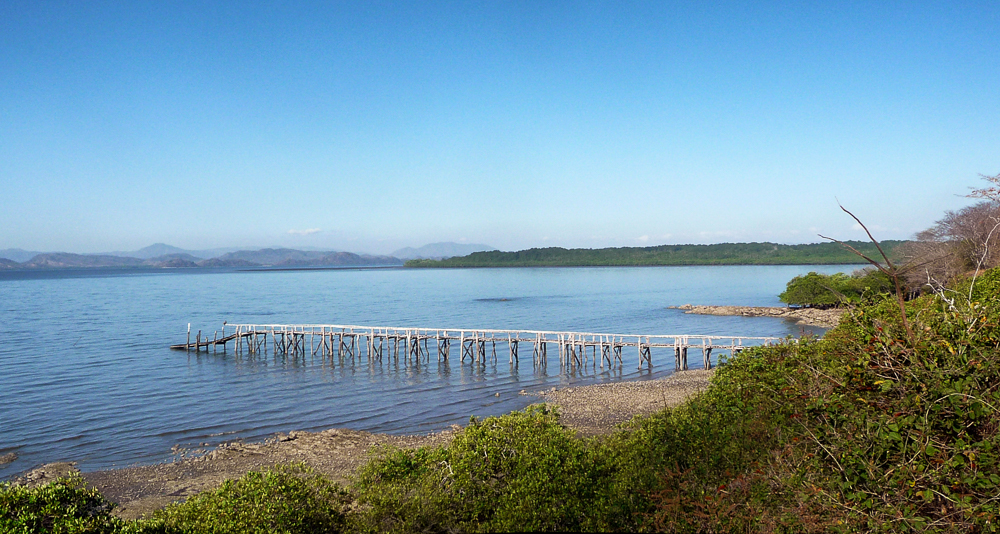
This is an area of tropical dry forests, marshlands, estuaries, and mangroves, characteristic of the northern Pacific region, It was a hot, dry environment and very different to what we'd seen so far. We spent one night at La Ensenada Lodge with a splendid view over Gulf of Nicoya. After lunch at the lodge we visited Solimar, a huge cattle ranch where we were taken round to see some more spectacular wildlife including some rather interesting owls. The next morning we birded around the lodge before we set of for the next destination, taking in Las Salinas, the salt pans, on the way.


Click to show/hide more





Carara Biological Reserve — Days 9 to 11 (1/3 - 3/3)
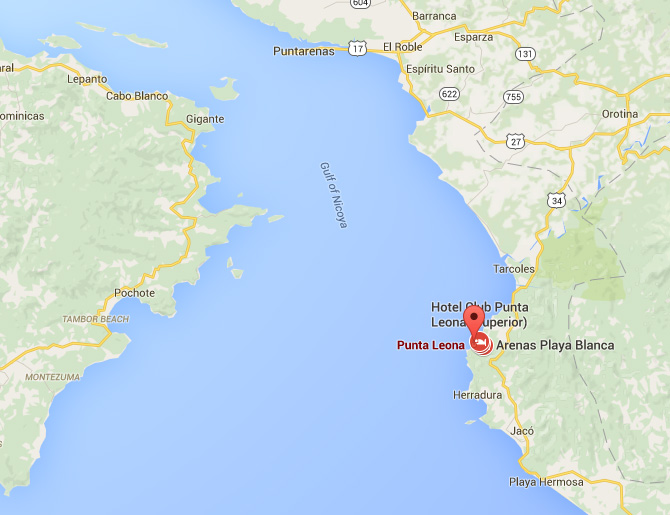
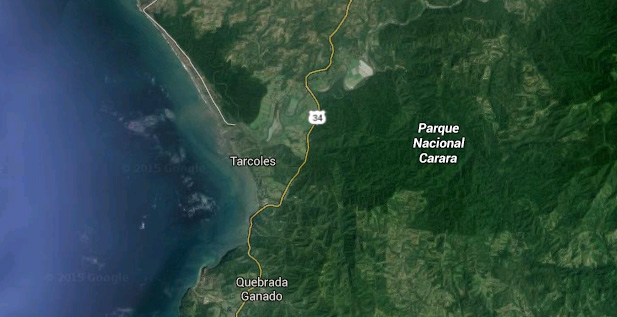
We stayed at Punta Leona, a rather touristy resort on the Pacific coast, as the lodge Heatherlea normally use was full (ours was an extra trip for them). Late afternoon we went on a boat trip along Tarcoles River, then we looked for owls and watched the sun set over the pasific. The next day we went walking in the Carara forest where the first thing we saw was a Ghost bat hanging by one foot from a palm frond.


Click to show/hide more


The mountains and Savegre River Valley — D 11 to 13 (3/3 - 5/3)
We set off for the cloud forest stopping for coffee, lunch, and a spot of birding, along the way.


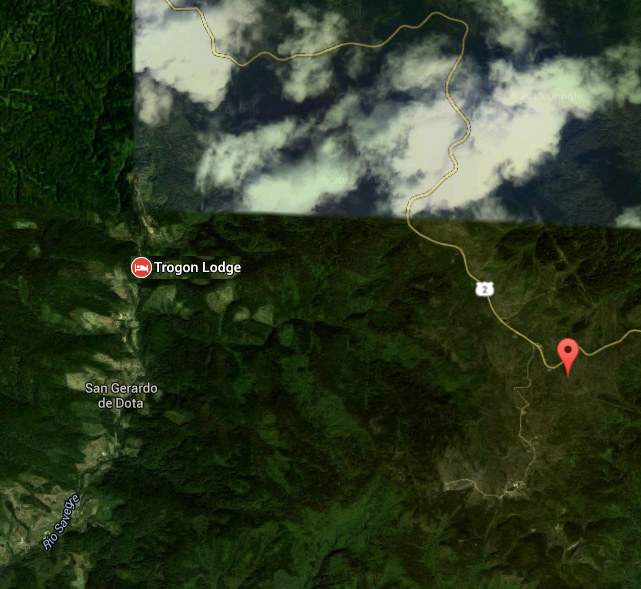
We arrived quite late having driven up through the cloud forrest to arround 3000m before we turned off down to Trogon lodge were we were staying for the next few days. It was cold and the air was rather thin but the rooms had parafin heaters and the beds hot water bottles. We spent most of the time exploring the Savegre River Valley and walking through the gardens around Suria Lodge, where Heatherlea normally stay. This is the the realm of the Resplendent Quetzal and we were not disappointed.


Click to show/hide more


It was time to leave but on our way back to San José some of us took a small detour to Cerro de la Muerte, the highest point on the inter-American highway, at 3451m. The views were fantastic but I really noticed the altitude.


We arrived back in San José and spent another night at the Bougainvillea Hotel. The next morning we did some final birding in their wonderful garden before we had to fly home.
It was a wonderful trip, once I would highly recommend. Here is the full trip report which includes more photos from all the participants.